The Evolving Role Of The Modern Cleaner

Cleaners are often seen as someone who just tidies up a space. In reality, the role is far more dynamic. Cleaners today are not just custodians of order but also guardians of health and safety. The perception of cleaning has shifted from a simple task to an essential part of modern living.

Cleaner

Cleaners ensure that spaces are free from hazards that might compromise well-being. Beyond removing dirt, they control allergens, bacteria, and other invisible threats. Their role creates an environment where people can focus, relax, and thrive. This work has direct effects on productivity, mood, and health.

The tools used by cleaners have also transformed significantly. What was once limited to basic supplies is now complemented by specialized equipment. Many cleaners use advanced techniques to manage surfaces with precision. These innovations elevate the quality and efficiency of their services.

Cleaners today require both physical skill and mental adaptability. They navigate different environments such as homes, offices, and industrial sites. Each setting presents unique challenges requiring customized approaches. Their ability to adjust makes them indispensable across varied spaces.

An often overlooked aspect of a cleaner’s work is emotional impact. A freshly cleaned space provides relief and comfort to its occupants. It signals care, discipline, and attention to detail. This psychological benefit can be as powerful as the physical results.

The role of cleaners in sustainability is becoming increasingly vital. Many integrate eco-friendly products and waste reduction practices into their routines. This conscious effort helps limit environmental damage and promotes healthier living spaces. Their contribution connects cleanliness with ecological responsibility.

Cleaners also protect valuable assets by maintaining them properly. Surfaces, furniture, and equipment all last longer under regular care. This prevents unnecessary costs that arise from neglect or damage. Cleaners indirectly help save money through preventive maintenance.

Cleanliness in shared spaces reduces conflict among users. When an area is tidy, expectations for behavior and respect are set. Cleaners play a subtle role in shaping social interactions. They create an atmosphere where order fosters harmony.

In workplaces, cleaners affect the overall image of an organization. A well-kept space conveys professionalism and reliability. It creates trust for clients, employees, and visitors alike. The impression made by cleanliness can influence long-term reputations.

The importance of cleaners also extends to safety management. Slippery floors, cluttered pathways, or contaminated areas are hazards. Cleaners eliminate these risks, ensuring that spaces remain safe for all. Their vigilance prevents accidents and promotes security.

The profession of cleaning is more skilled than commonly recognized. Attention to detail, knowledge of materials, and time management are essential. Cleaners must often balance speed with thoroughness. Their success relies on discipline and a keen eye for hidden issues.

Technology has not replaced cleaners but has enhanced their effectiveness. From automated machines to innovative solutions, their tools are evolving. Yet the human element remains irreplaceable. The intuition and adaptability of cleaners cannot be duplicated by devices.

Some cleaners also act as trusted observers in private or sensitive spaces. Their presence means they notice details others overlook. This responsibility requires integrity and discretion. Their professionalism builds trust between them and those they serve.

The demand for cleaners has grown as lifestyles change. Busy schedules limit the ability of individuals to maintain spaces themselves. Cleaners fill this gap by providing dedicated attention to hygiene and order. This reliance underscores their importance in daily life.

Cleaners also contribute to resilience during emergencies. Whether it is recovering from damage, contamination, or unexpected mess, they respond quickly. Their rapid intervention helps restore normalcy in difficult situations. This readiness makes them unsung responders in times of need.

The work of cleaners is closely tied to public health measures. By reducing contamination and maintaining sanitary conditions, they limit the spread of illness. Their practices align with preventive healthcare goals. Cleaners serve as silent allies in promoting wellness.

Many cleaners take pride in the transformation they bring. Seeing a disordered area become organized is deeply rewarding. This satisfaction reflects their sense of purpose. It turns what might seem like routine work into a fulfilling craft.

Cleaners also help people reclaim their spaces emotionally. A cluttered environment can feel overwhelming and chaotic. Cleaners provide the relief of a fresh start through organization. This renewal can improve both mental clarity and emotional balance.

Cleaners remain vital across cultures and lifestyles. Their work bridges the practical and symbolic aspects of cleanliness. They embody values of discipline, care, and respect. In every way, cleaners contribute more than most people realize.

The future of cleaning will continue to evolve alongside societal needs. New methods and expectations will shape how the role develops. But the essential qualities of diligence, care, and reliability will remain constant. Cleaners will always stand as quiet architects of healthier lives.

The reach of cleaners often extends beyond visible areas. They manage hidden corners, overlooked surfaces, and places most people ignore. These unseen details contribute greatly to overall hygiene. Cleaners ensure no aspect of an environment is left unattended.

Cleaners also adapt to cultural and social expectations. Different groups define cleanliness in varied ways. They must respect traditions while maintaining universal standards. This cultural awareness enriches their profession and strengthens its value.

The role of a cleaner can sometimes carry unfair stigma. Yet their work is indispensable in every community. Recognizing their importance can change perceptions for the better. Their contributions deserve acknowledgment and respect.

Cleaners support learning environments in significant ways. A clean classroom enhances concentration and motivation. The sense of order creates stability for both learners and educators. Without their work, academic success would be harder to achieve.

In healthcare settings, cleaners provide vital protection. They reduce contamination risks that threaten vulnerable individuals. Their methods align with strict standards of hygiene and precision. Cleaners safeguard spaces where health is most critical.

Hospitality industries also rely heavily on cleaners. Guest experiences are shaped by the cleanliness of the environment. A tidy space creates comfort, while disorder breeds distrust. Cleaners are central to maintaining positive impressions in these spaces.

Cleaners can also influence energy efficiency indirectly. By maintaining ventilation systems and windows, they improve airflow. This allows spaces to use resources more effectively. Cleaners contribute to sustainability in unseen ways.

The skills of cleaners often extend to organization. They help manage clutter and create systems of order. These small changes have large impacts on functionality. Cleaners transform spaces into areas that support better living.

Cleaners develop resilience through their demanding routines. The work can be physically and mentally taxing. Yet they remain consistent in their efforts. This perseverance reflects strength and dedication.

Some cleaners work independently, shaping their schedules around unique needs. Others operate within teams, coordinating responsibilities. Both models require cooperation and reliability. The versatility of their roles highlights their professionalism.

Cleaners also support creativity in work and home environments. A clear and orderly space encourages fresh thinking. The removal of distractions allows ideas to flow freely. In this way, cleaners nurture innovation.

The training of cleaners increasingly includes specialized knowledge. They learn about materials, chemicals, and safety protocols. This education equips them with confidence in varied settings. Their expertise makes them problem-solvers as well as practitioners.

Cleaners are part of a chain of service that supports society. Their work intersects with health, safety, sustainability, and efficiency. The ripple effects of their labor reach further than most recognize. Without them, the systems people rely on would weaken.

As cities and communities grow, the work of cleaners becomes more vital. Urban density creates more waste, clutter, and risks. Cleaners respond to these challenges with resilience and adaptability. Their presence is crucial to maintaining order in expanding societies.

The modern cleaner is far from the image of the past. They are innovators, caretakers, and protectors. They influence environments in ways both large and small. Their contribution continues to shape healthier and more sustainable lives.

The story of cleaners is one of transformation and quiet power. They may not always be visible, but their work speaks clearly. Every polished surface and organized corner tells their story. Their influence remains etched in the spaces they transform.
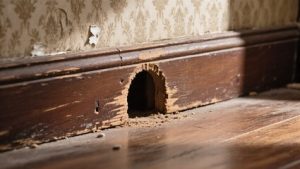
Rodent Control Strategies for Homes and Commercial Properties

Rodent control is a critical concern for both homeowners and commercial property managers. Rodents are highly adaptable pests that can thrive in a wide range of environments, especially where food, water, and shelter are readily available. Once rodents gain access to a structure, they can multiply quickly, causing extensive damage and posing serious health risks. Implementing effective Rodent Retreat control strategies is essential for maintaining safe, sanitary, and functional spaces in both residential and commercial settings.

rodent

Unlike occasional pests, rodents tend to establish long-term nesting and feeding patterns once they find favorable conditions. This makes control efforts more complex and time-sensitive. A proactive and strategic approach is the most reliable way to reduce rodent activity and prevent recurring infestations. Understanding how rodent behavior differs between homes and commercial properties allows for tailored solutions that address specific vulnerabilities.

Understanding Rodent Activity in Different Environments

Rodent behavior varies depending on the type of environment they inhabit. In residential properties, rodents often seek warmth, quiet nesting areas, and easy access to food. Kitchens, basements, attics, and garages are common hotspots due to stored items and limited human disturbance. Even small lapses in sanitation or maintenance can create opportunities for rodent intrusion.

In commercial properties, rodent activity is often driven by higher volumes of food waste, storage areas, and frequent deliveries. Warehouses, offices, and retail spaces may provide numerous hiding places and entry points. The scale of commercial operations makes monitoring more challenging, allowing infestations to spread rapidly if not addressed early. Understanding these environmental differences is the foundation of effective rodent control strategies.

Identifying Vulnerabilities and Entry Points

Rodents are capable of entering buildings through extremely small openings. Identifying and addressing vulnerabilities is one of the most important steps in rodent control. Cracks in walls, gaps around doors, damaged vents, and openings near utility lines are common entry points that often go unnoticed.

Regular inspections help uncover these weaknesses before rodents exploit them. In both homes and commercial properties, exterior maintenance plays a crucial role in prevention. Sealing entry points using durable materials prevents rodents from accessing interior spaces. Without proper exclusion measures, other control efforts may offer only temporary relief.

Sanitation as a Core Control Strategy

Sanitation is a cornerstone of effective rodent control. Rodents are attracted to environments where food and water are readily available. Poor sanitation not only invites rodents but also encourages them to remain and reproduce. Maintaining cleanliness significantly reduces the appeal of a property to rodents.

Key sanitation practices include proper food storage, regular cleaning of food preparation areas, and prompt waste disposal. In commercial settings, consistent sanitation protocols are especially important due to higher activity levels. Eliminating spills, crumbs, and accessible waste reduces the resources rodents rely on for survival.

Structural Maintenance and Exclusion Methods

Structural maintenance and exclusion work hand in hand to prevent rodent infestations. Exclusion involves physically blocking rodents from entering a building, while maintenance ensures that existing barriers remain intact. This strategy is effective for both homes and commercial properties when implemented consistently.

Common exclusion methods include sealing cracks, repairing damaged doors, and installing protective coverings over vents and drains. These measures must be regularly inspected and maintained, as rodents can damage materials over time. A well-maintained structure is far less attractive and accessible to rodents.

Monitoring and Early Detection

Monitoring is an essential component of long-term rodent control. Early detection allows for quick intervention, reducing the scope and cost of control efforts. Regular inspections help identify signs of rodent activity before infestations become severe.

Common indicators to monitor include droppings, gnaw marks, and unusual noises. In commercial properties, monitoring may also involve checking storage areas and waste disposal zones more frequently. Early detection ensures that corrective actions are taken before rodent populations grow.

Population Control Techniques

When rodents are already present, population control techniques are necessary to reduce their numbers. These methods must be applied carefully and strategically to be effective. Trapping and baiting are commonly used techniques, but they should be part of a broader control plan rather than standalone solutions.

Effective population control involves placing control devices in areas where rodents are most active. Regular monitoring and adjustment improve success rates. Combining population reduction with sanitation and exclusion measures ensures longer-lasting results and minimizes reinfestation.

Rodent Control in Residential Properties

Rodent control in homes requires a balance between effectiveness and safety. Residential environments often include children, pets, and personal belongings, which must be considered when implementing control strategies. Homeowners should focus on preventive measures that reduce attraction and access.

Maintaining cleanliness, sealing entry points, and reducing clutter are essential steps for residential rodent control. Regular inspection of attics, basements, and storage areas helps identify early signs of activity. These proactive measures significantly reduce the likelihood of infestation.

Rodent Control in Commercial Properties

Commercial properties face unique challenges when it comes to rodent control. High foot traffic, frequent deliveries, and large storage areas increase the risk of infestation. Consistent monitoring and structured control plans are necessary to manage these risks effectively.

Commercial rodent control strategies often involve scheduled inspections, detailed documentation, and coordinated sanitation efforts. Employee awareness also plays a role, as staff members are often the first to notice signs of rodent activity. A collaborative approach enhances overall effectiveness.

Integrated Rodent Control Strategies

Integrated rodent control strategies combine multiple methods to address infestations comprehensively. Rather than relying on a single solution, integrated approaches focus on long-term prevention and sustainable results. This strategy is widely recognized as the most effective way to manage rodent problems.

Key components of an integrated approach include:

  1. Exclusion to prevent entry and limit access.
  2. Sanitation to eliminate food and water sources.

Additional elements may include monitoring, population control, and ongoing maintenance. By addressing the root causes of rodent activity, integrated strategies reduce the likelihood of recurring infestations and improve overall outcomes.

The Role of Professional Rodent Control Services

Professional rodent control services play a valuable role in managing infestations in both homes and commercial properties. Trained professionals have the expertise to assess complex situations and design targeted solutions. Their experience allows them to identify hidden vulnerabilities and implement effective control measures.

Professional services often include comprehensive inspections, customized treatment plans, and follow-up monitoring. These services are particularly beneficial for large properties or persistent infestations. Investing in professional control enhances effectiveness and provides peace of mind.

Long-Term Prevention and Maintenance

Long-term rodent control requires ongoing prevention and maintenance. Even after an infestation is resolved, continued vigilance is necessary to prevent recurrence. Regular inspections, maintenance, and sanitation practices help maintain a rodent-resistant environment.

Preventive maintenance should be incorporated into routine property management. Addressing minor issues promptly prevents them from becoming major vulnerabilities. Consistency is key to sustaining effective rodent control over time.

Why Proactive Rodent Control Matters

Proactive rodent control is more effective and cost-efficient than reactive measures. Addressing vulnerabilities and early signs of activity reduces damage, health risks, and operational disruptions. Both homeowners and commercial property managers benefit from a proactive approach.

Early intervention minimizes the resources required to control infestations. It also ensures a safer and more comfortable environment for occupants. Proactive rodent control reflects responsible property management and long-term planning.

Effective rodent control strategies for homes and commercial properties rely on understanding rodent behavior, addressing vulnerabilities, and implementing comprehensive solutions. Rodents are persistent pests, but their impact can be significantly reduced through consistent prevention, monitoring, and control efforts.

By combining sanitation, exclusion, population control, and professional expertise, property owners can achieve long-lasting protection. Rodent control is not a one-time task but an ongoing commitment to maintaining safe and healthy environments. With the right strategies in place, both residential and commercial spaces can remain free from the disruptions and risks associated with rodent infestation.